PATAGONIA FISHING

REGION

Rivers and Lakes

Let's explore together
Rivers and Lakes

Let's explore together

Rivers and Lakes

Let's explore together

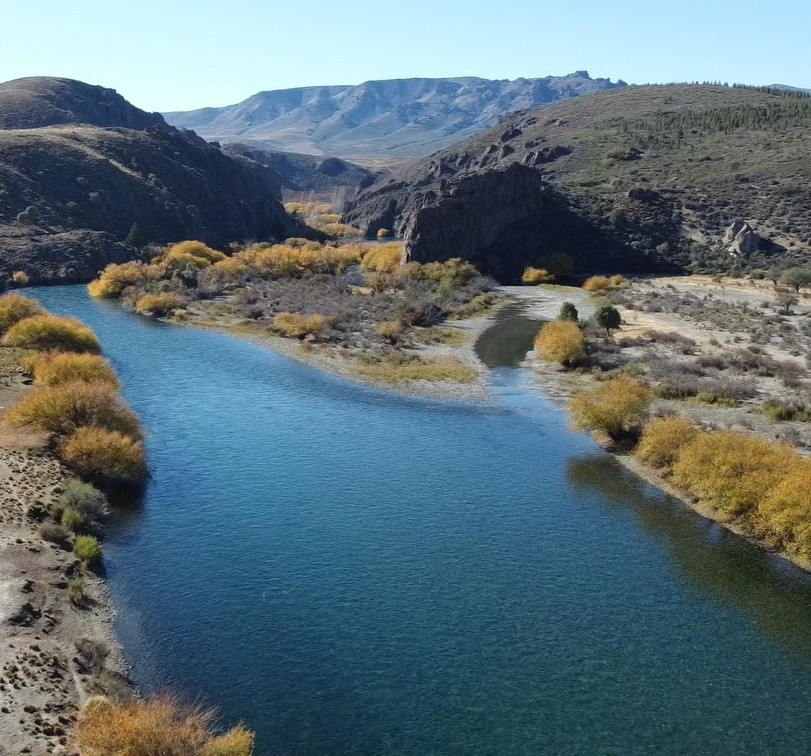
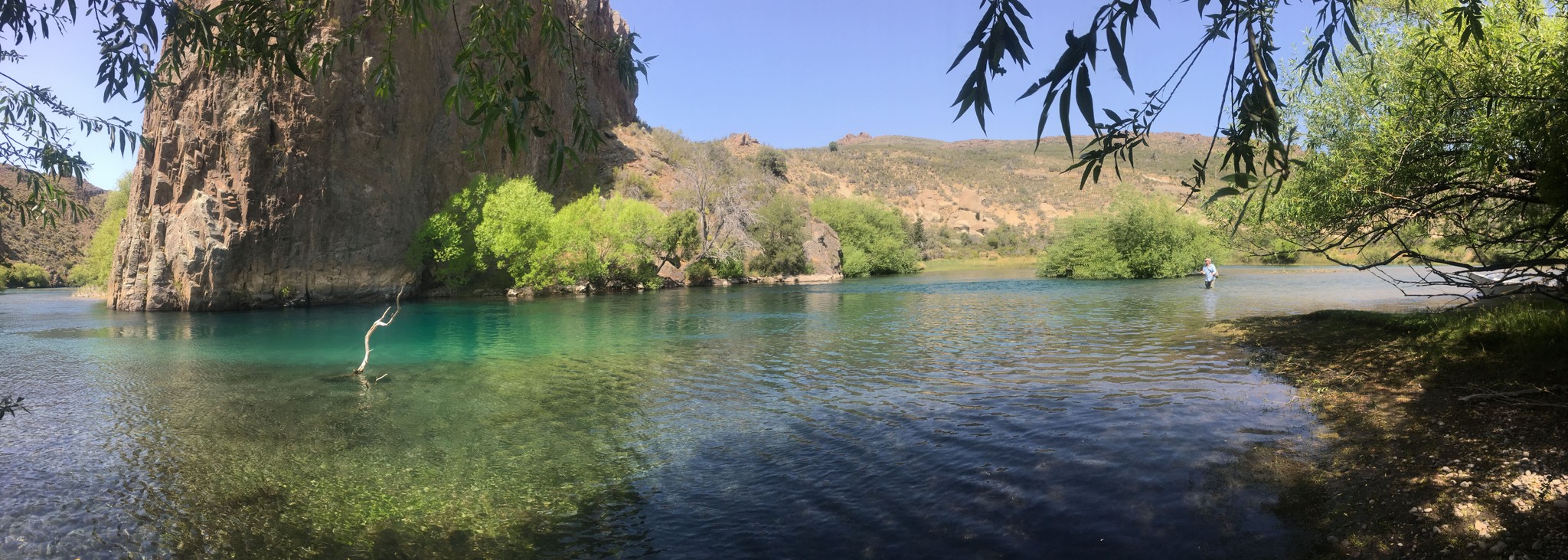
a river running through a valley surrounded by mountains

Our Season

In Patagonia we are lucky to have quite an extense fishing season that goes from November to May. This period allows us to enjoy fishing during the end of our spring, whole summer and first autumn months. During these 7 months the landscape changes noticeably just like trout behaviour, turning every moment of the season attractive for fishing and amazing to contemplate our incredible scenery.

At the beginning of the season, trouts have already finished spawning and are focused on feeding to recover from the physical strain of reproduction, moving around to replenish energy, eating voraciously to gain weight back; rivers volumen of water are at maximum levels which improves conditions, mid weight rods #6 or #7 and streamers are a must. 

As months come by, the flow of the rivers begins to decrease giving rise to new structures as exposed rocks, drop offs, shallow flats, riffles or areas with slower currents that become available as potential holding spots for fish. These alterations in water conditions change how fish behave and where they are likely to be found, which leads to a wide range of fly fishing techniques being employed. 

Adapting our techniques to the specific conditions we might encounter is what distinguishes us, during the outgoing we might switch from dry fly fishing to nymphing, to streamers or wet fly fishing.

The season,
our fishing map

In Patagonia we are lucky to have quite an extense fishing season that goes from November to May. This period allows us to enjoy fishing during the end of our spring, whole summer and first autumn months. During these 7 months the landscape changes noticeably just like trout behaviour, turning every moment of the season attractive for fishing and amazing to contemplate our incredible scenery.

At the beginning of the season, trouts have already finished spawning and are focused on feeding to recover from the physical strain of reproduction, moving around to replenish energy, eating voraciously to gain weight back; rivers volumen of water are at maximum levels which improves conditions, mid weight rods #6 or #7 and streamers are a must. 

As months come by, the flow of the rivers begins to decrease giving rise to new structures as exposed rocks, drop offs, shallow flats, riffles or areas with slower currents that become available as potential holding spots for fish. These alterations in water conditions change how fish behave and where they are likely to be found, which leads to a wide range of fly fishing techniques being employed. 

Adapting our techniques to the specific conditions we might encounter is what distinguishes us, during the outgoing we might switch from dry fly fishing to nymphing, to streamers or wet fly fishing.

Our Season

In Patagonia we are lucky to have quite an extense fishing season that goes from November to May. This period allows us to enjoy fishing during the end of our spring, whole summer and first autumn months. During these 7 months the landscape changes noticeably just like trout behaviour, turning every moment of the season attractive for fishing and amazing to contemplate our incredible scenery.

At the beginning of the season, trouts have already finished spawning and are focused on feeding to recover from the physical strain of reproduction, moving around to replenish energy, eating voraciously to gain weight back; rivers volumen of water are at maximum levels which improves conditions, mid weight rods #6 or #7 and streamers are a must. 

As months come by, the flow of the rivers begins to decrease giving rise to new structures as exposed rocks, drop offs, shallow flats, riffles or areas with slower currents that become available as potential holding spots for fish. These alterations in water conditions change how fish behave and where they are likely to be found, which leads to a wide range of fly fishing techniques being employed. 

Adapting our techniques to the specific conditions we might encounter is what distinguishes us, during the outgoing we might switch from dry fly fishing to nymphing, to streamers or wet fly fishing.

Limay River
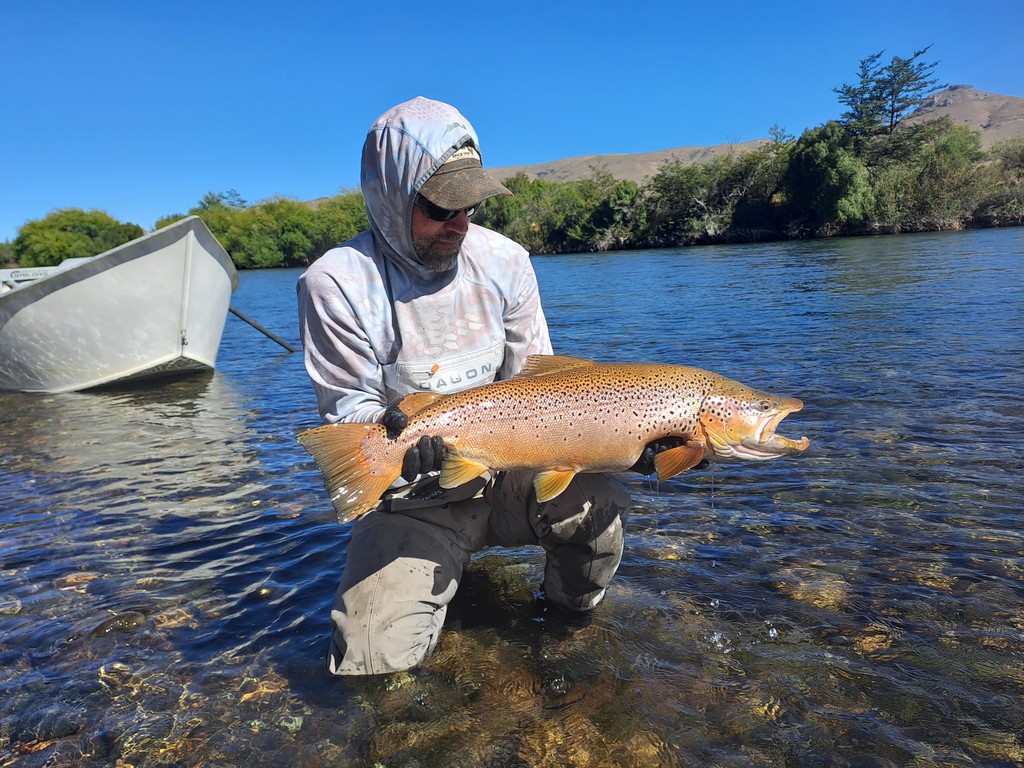
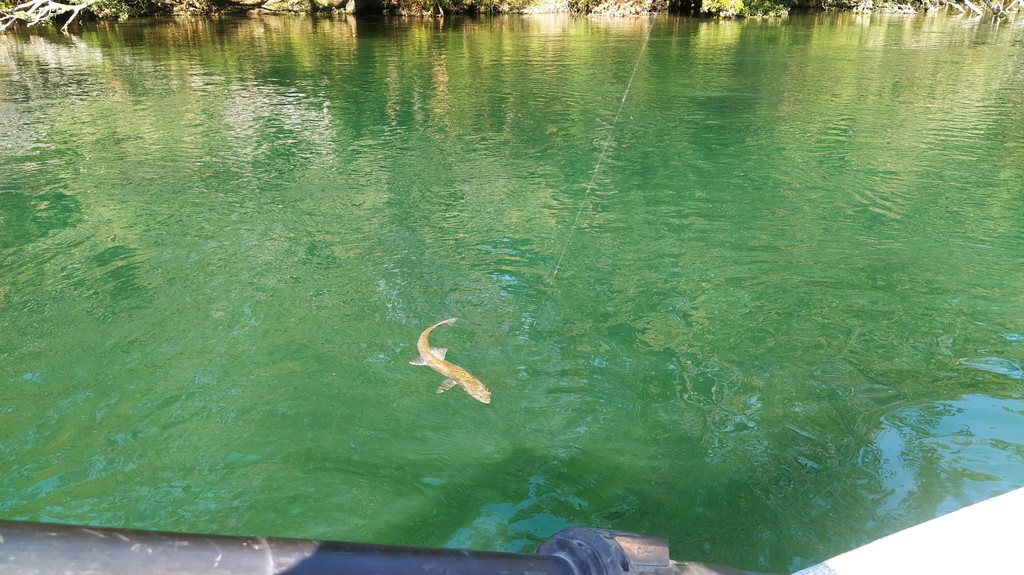
40 minutes away from Bariloche, Upper Limay river is one of the most important watercourse and forms the largest basin in Patagonia; originated in the Nahuel Huapi lake and flowing in a north-westerly direction that divides Neuquen and Rio Negro provinces, its waters harbor worldclass rainbow and brown trouts (species introduced in 1904) as well as native fish.

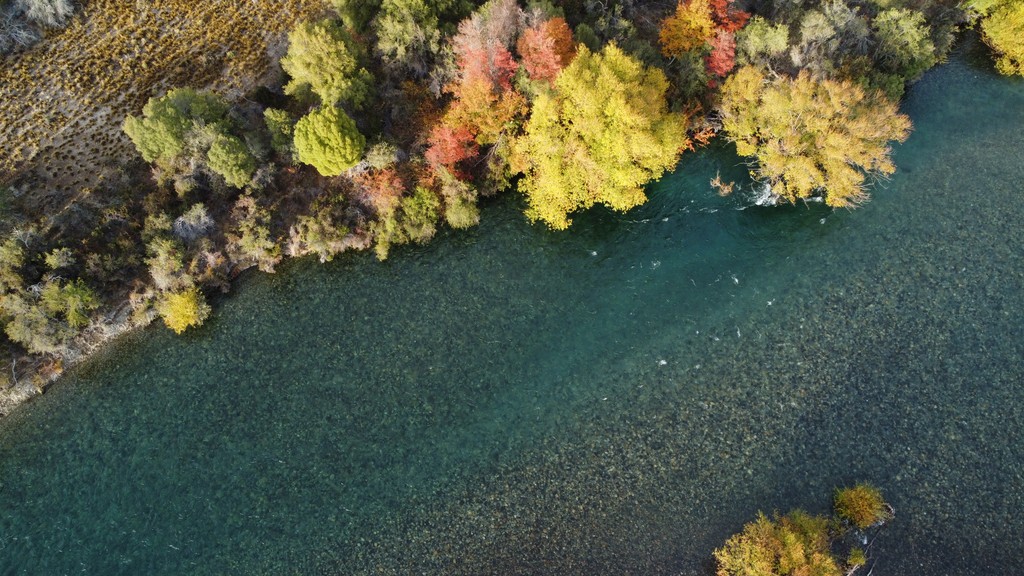
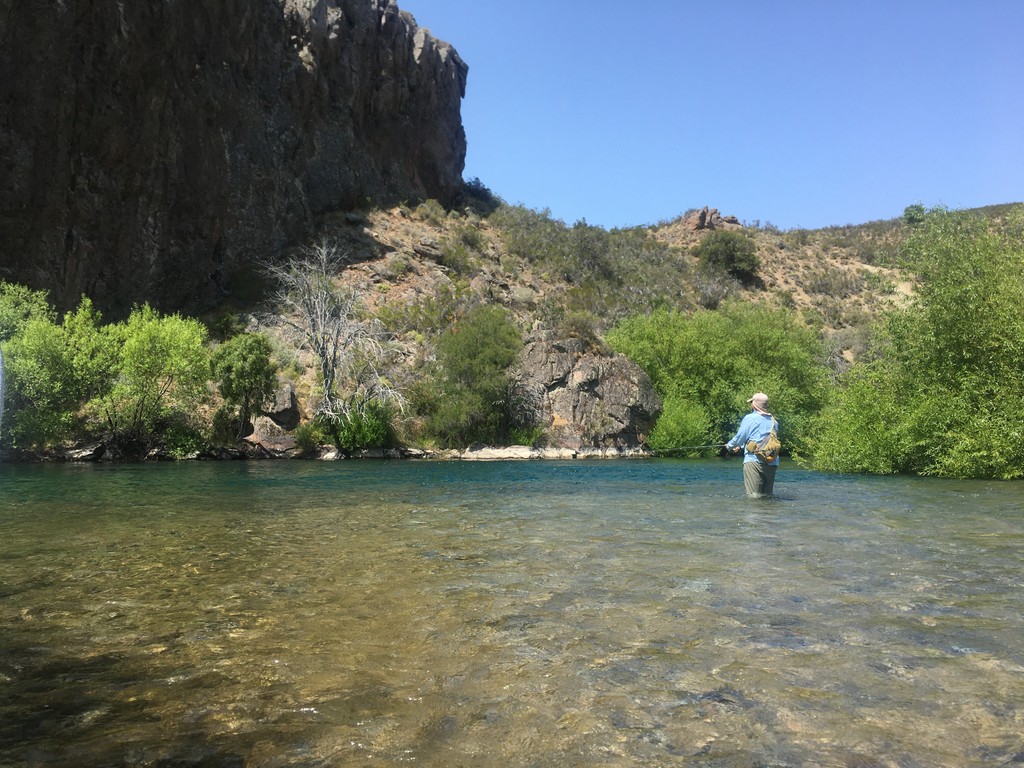
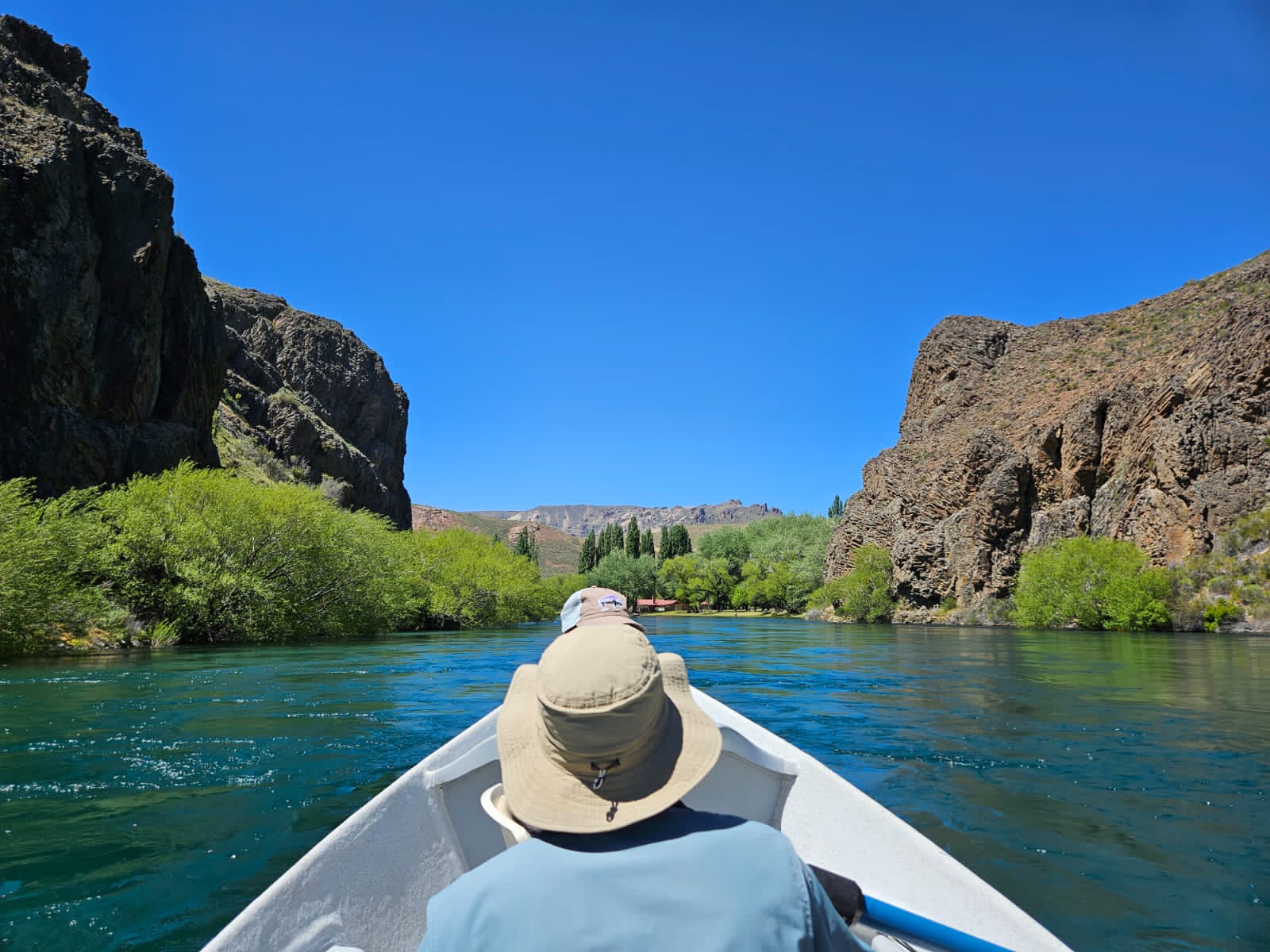
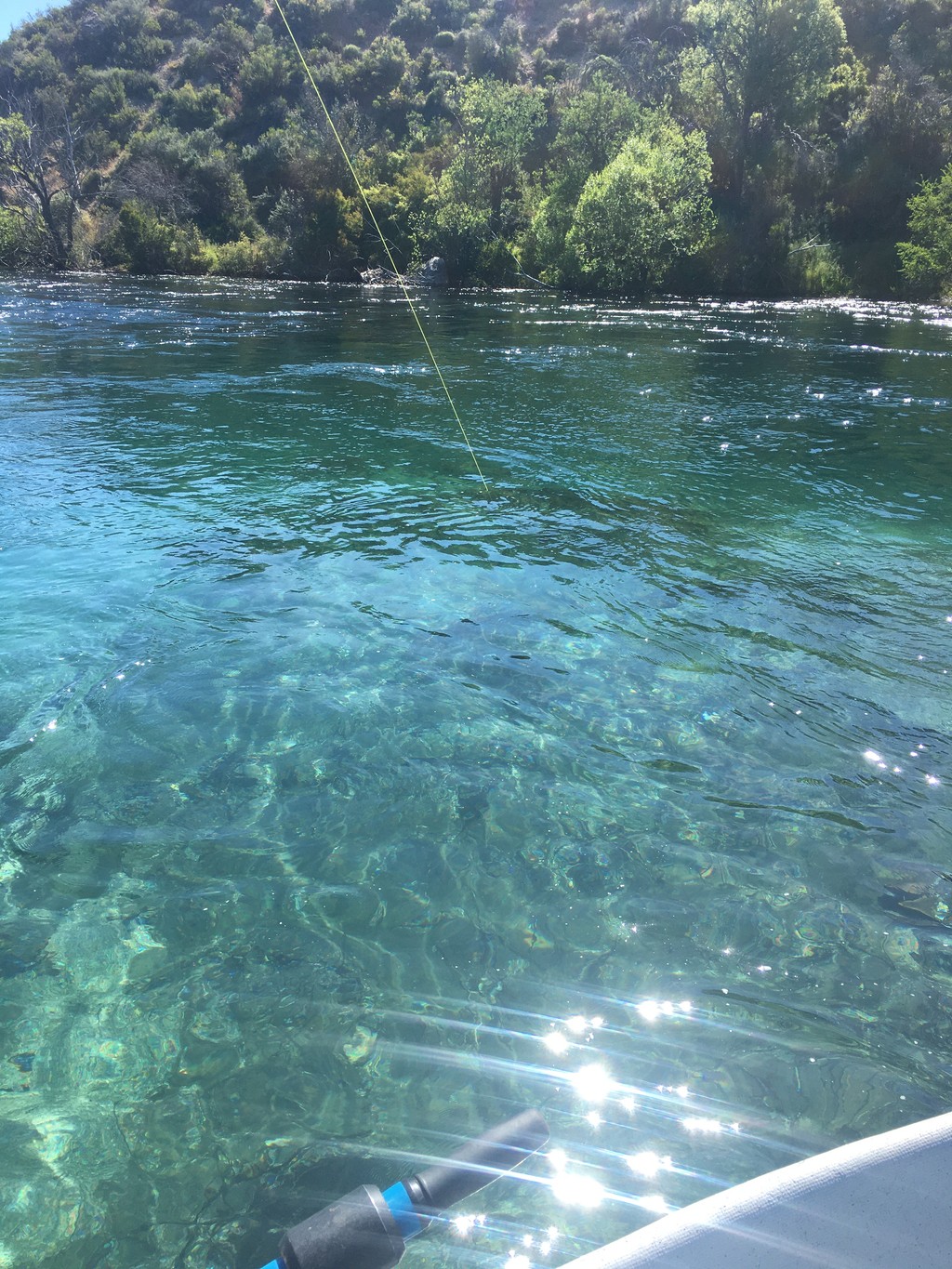
Flowing for 43 miles until it reaches Alicura artificial basin, it is divided in 4 beats where you will understand the meaning of the rivers name in the native language ¨clearwaters¨. From deep pools to sand cliffs, riffles and shallow waters, shores covered by willow trees which give shelter for trout and hold huge amounts of insects, you will experience world-renowned waters.

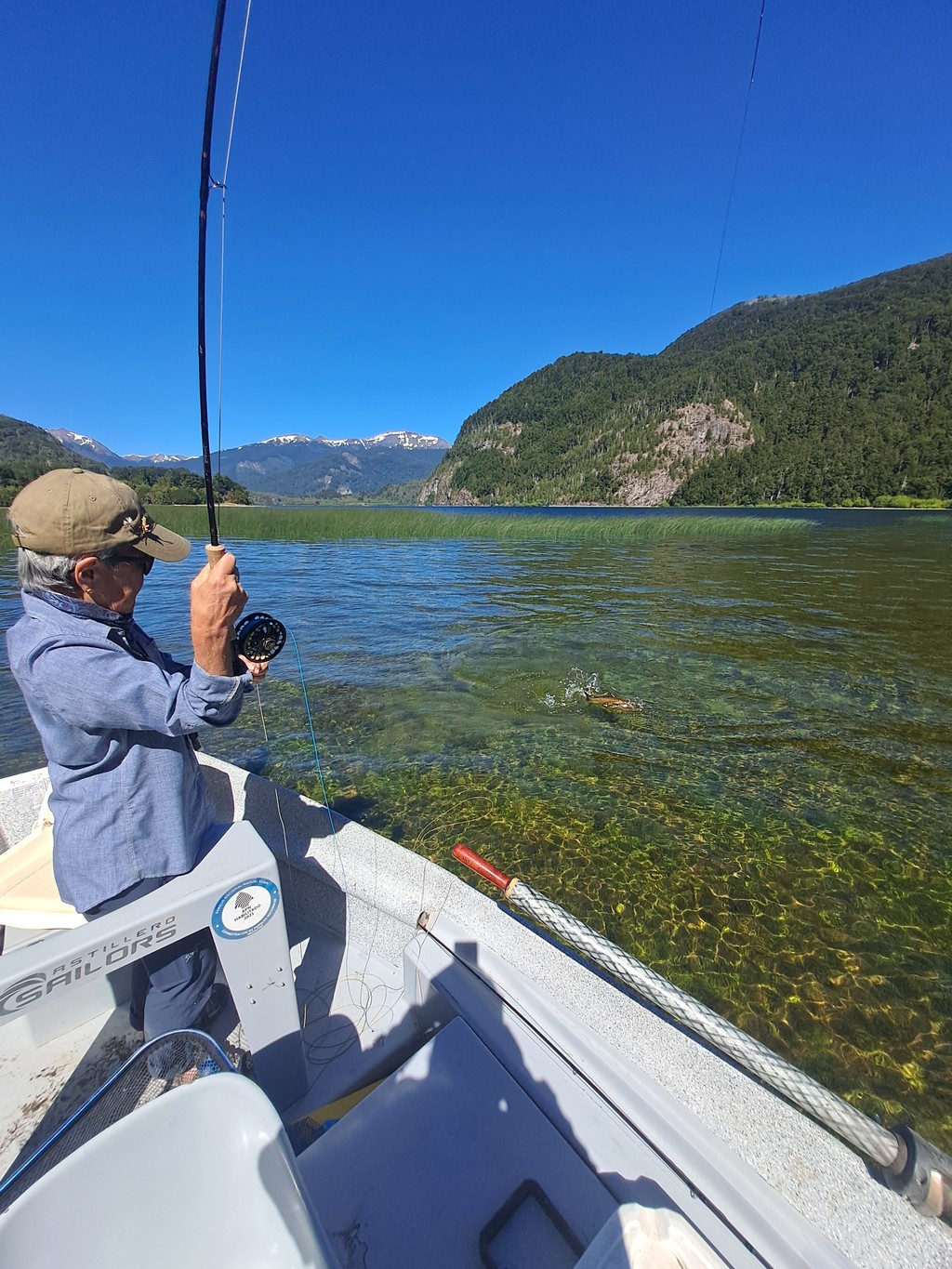
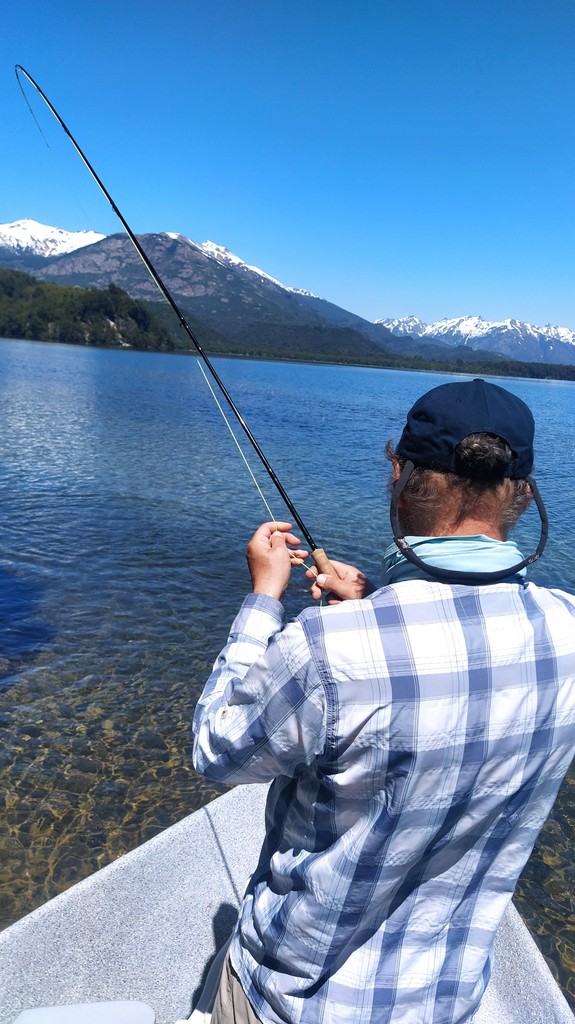
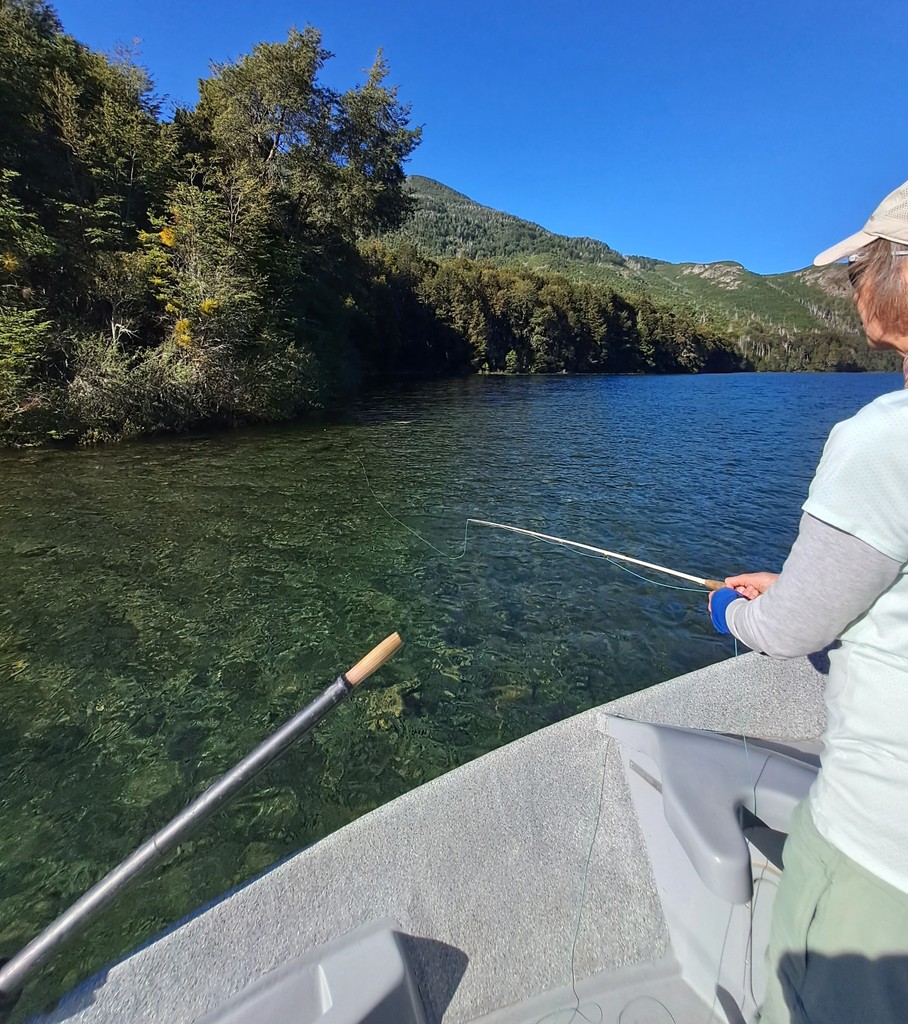
During summer (since Dec 21st) massive hatch of caddis and mayflies cover the river, giving us the chance to dry fly at rising trout, also some river structures as eddies provides us the opportunity to do some sight fishing taking advantage of high fishing from the boat along with water clarity. As the summer wears on, attractors work amazingly and allows us to use some dropper technique along with nymphing.  

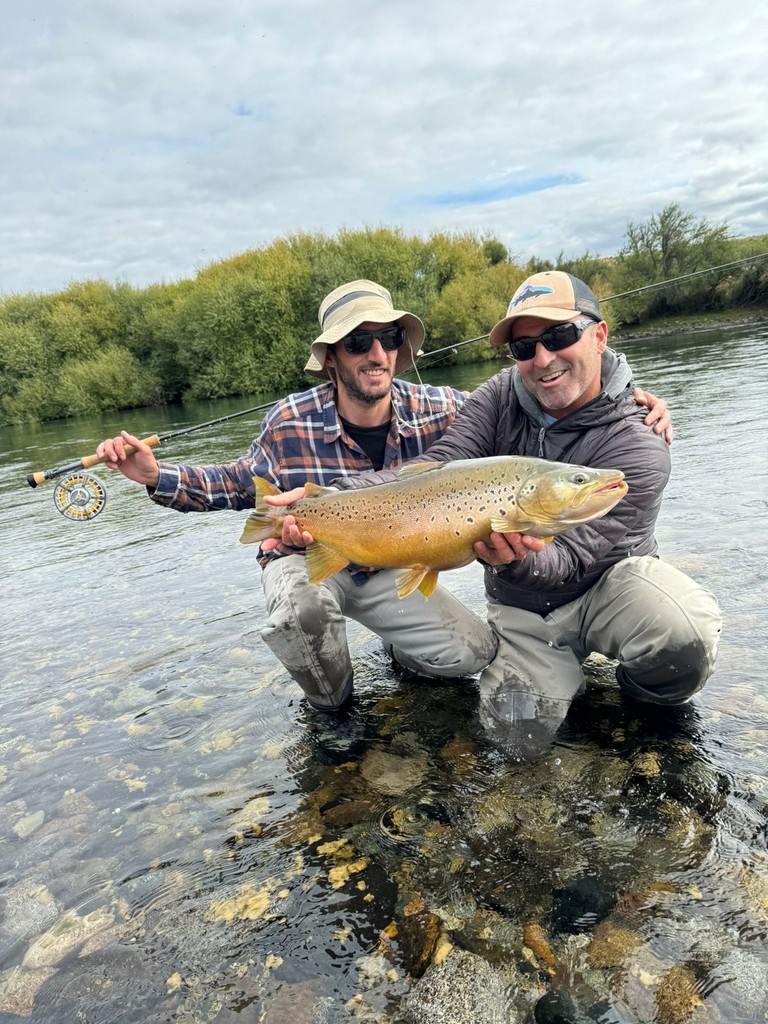
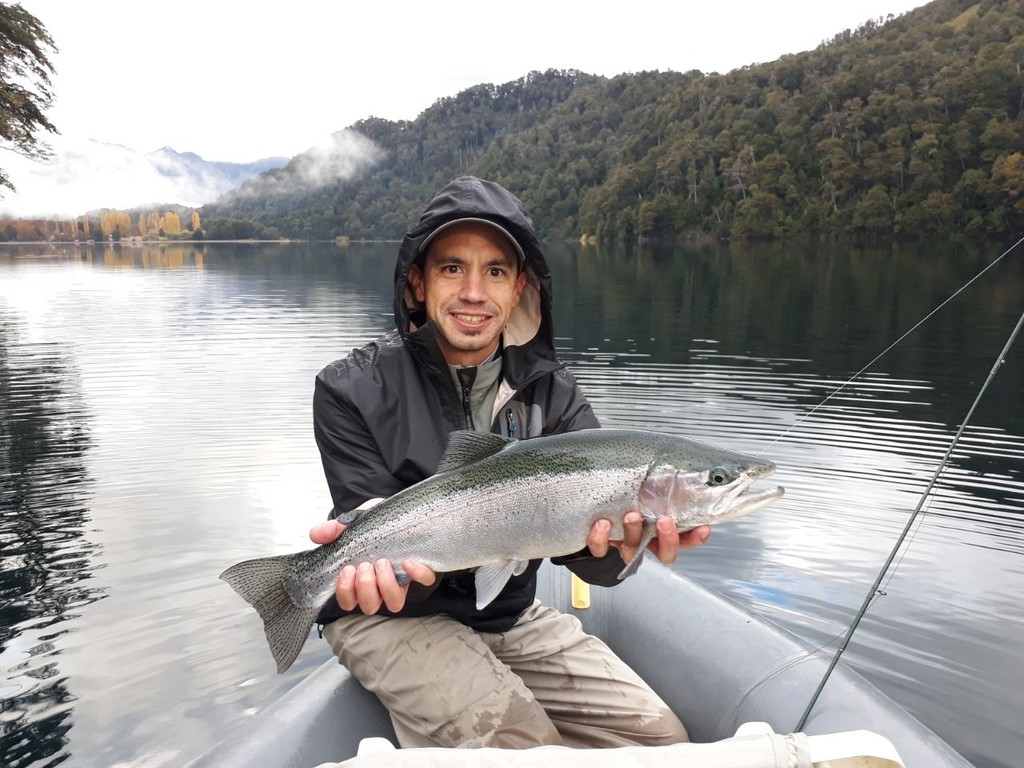
During autumn (since March 21st) massive brown and rainbow trout that feed on fish, freshwater crabs (Aegla) and crayfish (Samastacus) migrate from the lake into the river looking for the best spawning beds. The best time to find these trophy trouts in the river is at the end of the season; late March, April and May. Needless to say, there are always chances to catch one of these large fish during summer, however it might be more challenging.

Limay River

40 minutes away from Bariloche, Upper Limay river is one of the most important watercourse and forms the largest basin in Patagonia; originated in the Nahuel Huapi lake and flowing in a north-westerly direction that divides Neuquen and Rio Negro provinces, its waters harbor worldclass rainbow and brown trouts (species introduced in 1904) as well as native fish.

Flowing for 43 miles until it reaches Alicura artificial basin, it is divided in 4 beats where you will understand the meaning of the rivers name in the native language ¨clearwaters¨. From deep pools to sand cliffs, riffles and shallow waters, shores covered by willow trees which give shelter for trout and hold huge amounts of insects, you will experience world-renowned waters.

During summer (since Dec 21st) massive hatch of caddis and mayflies cover the river, giving us the chance to dry fly at rising trout, also some river structures as eddies provides us the opportunity to do some sight fishing taking advantage of high fishing from the boat along with water clarity. As the summer wears on, attractors work amazingly and allows us to use some dropper technique along with nymphing.  

During autumn (since March 21st) massive brown and rainbow trout that feed on fish, freshwater crabs (Aegla) and crayfish (Samastacus) migrate from the lake into the river looking for the best spawning beds. The best time to find these trophy trouts in the river is at the end of the season; late March, April and May. Needless to say, there are always chances to catch one of these large fish during summer, however it might be more challenging.

Manso River
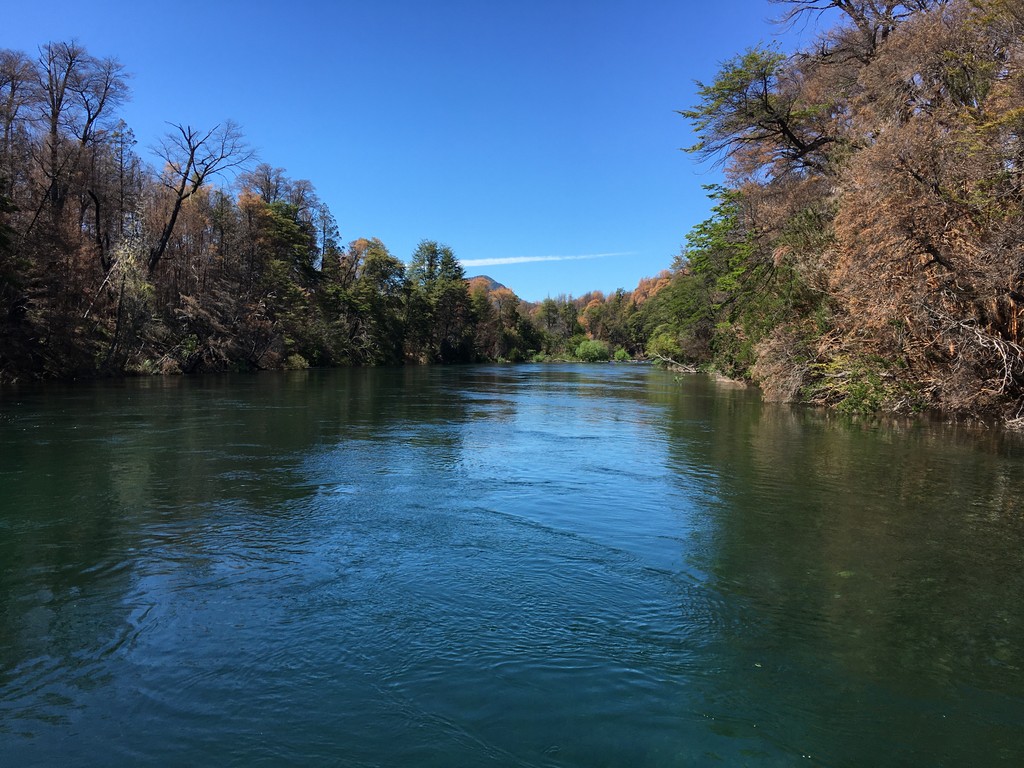
1:30 hours away from Bariloche, arising from melted snow on the Mount Tronador and located inside the Nahuel Huapi National Park, the Manso river flows about 6 miles eastward to Mascardi Lake and passes through a chain of glaciar lakes (Moscos, Hess, Fonck, Roca and Steffen), separated by short passages of often turbulent waters. Some sections of the river are inaccessible due to scarp terrain and dense thick forest, which gives a trully breathtaking landscape. After reaching the lower end of Steffen Lake (last lake in the chain) the Manso continues its path through Argentina and into Chile.

We offer a variety of beats along the river where we navigate rapids, deep pools, riffles and some of the clearest waters you might ever see. As months come by, river flow decreases exposing some rocks, moment when we switch from drift boats to rafts. 

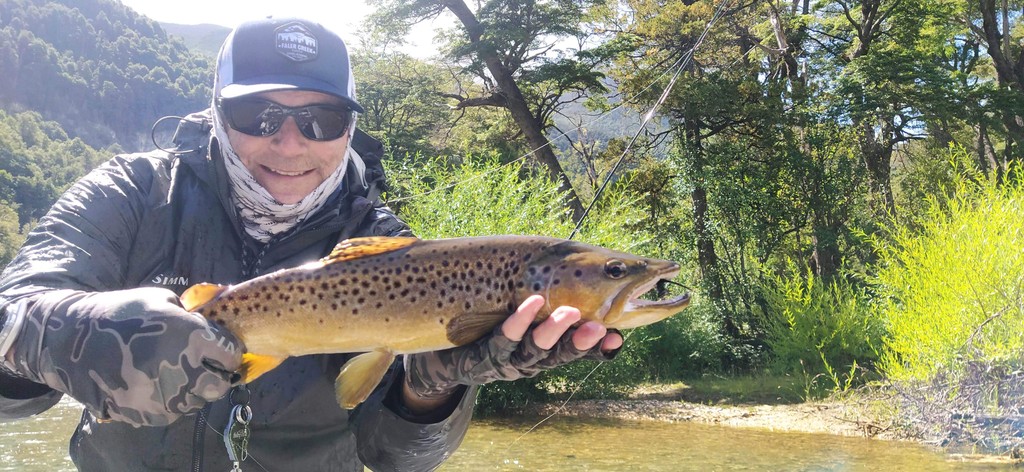
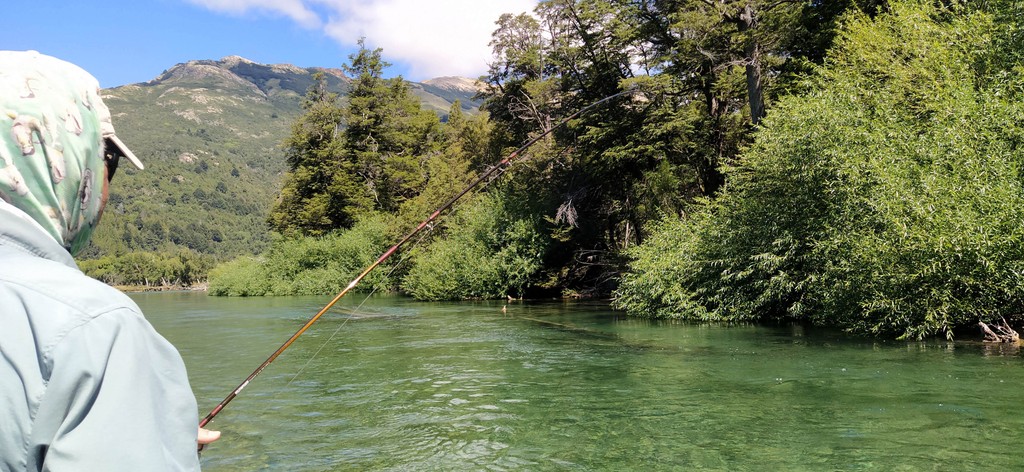
Regarding fishing, mid weight rods #6 or #7, mostly using floating lines, attachable sink tips or sinking lines for deep pools; resident rainbow, brown and brook trout will strike hard on big attractors along the river, while in certain eddies and slow pools, small dry flies and long leaders could deceive picky trout.

Manso River

1:30 hours away from Bariloche, arising from melted snow on the Mount Tronador and located inside the Nahuel Huapi National Park, the Manso river flows about 6 miles eastward to Mascardi Lake and passes through a chain of glaciar lakes (Moscos, Hess, Fonck, Roca and Steffen), separated by short passages of often turbulent waters. Some sections of the river are inaccessible due to scarp terrain and dense thick forest, which gives a trully breathtaking landscape. After reaching the lower end of Steffen Lake (last lake in the chain) the Manso continues its path through Argentina and into Chile.

We offer a variety of beats along the river where we navigate rapids, deep pools, riffles and some of the clearest waters you might ever see. As months come by, river flow decreases exposing some rocks, moment when we switch from drift boats to rafts. 

Regarding fishing, mid weight rods #6 or #7, mostly using floating lines, attachable sink tips or sinking lines for deep pools; resident rainbow, brown and brook trout will strike hard on big attractors along the river, while in certain eddies and slow pools, small dry flies and long leaders could deceive picky trout.

Nahuel Huapi Lake
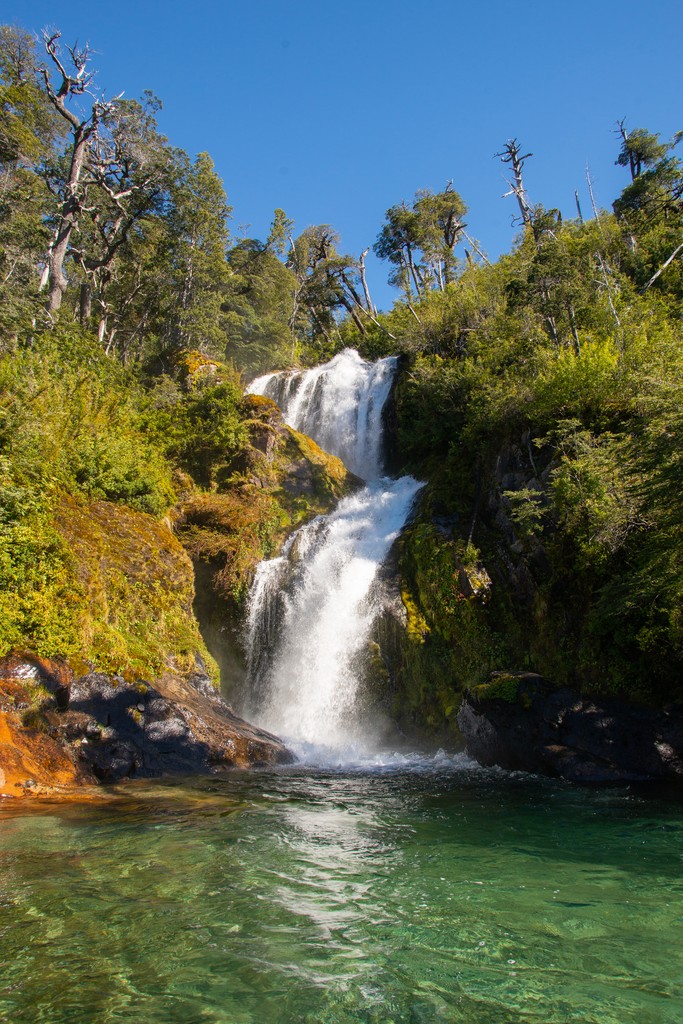
Nahuel Huapi Lake offers one of the most breathtaking and productive fishing experiences in South America. With its deep crystal-clear waters, dramatic mountain backdrops, and thriving populations of trout and salmonids, this glacial lake is a paradise for both fly fishing and spinning fishing enthusiasts.

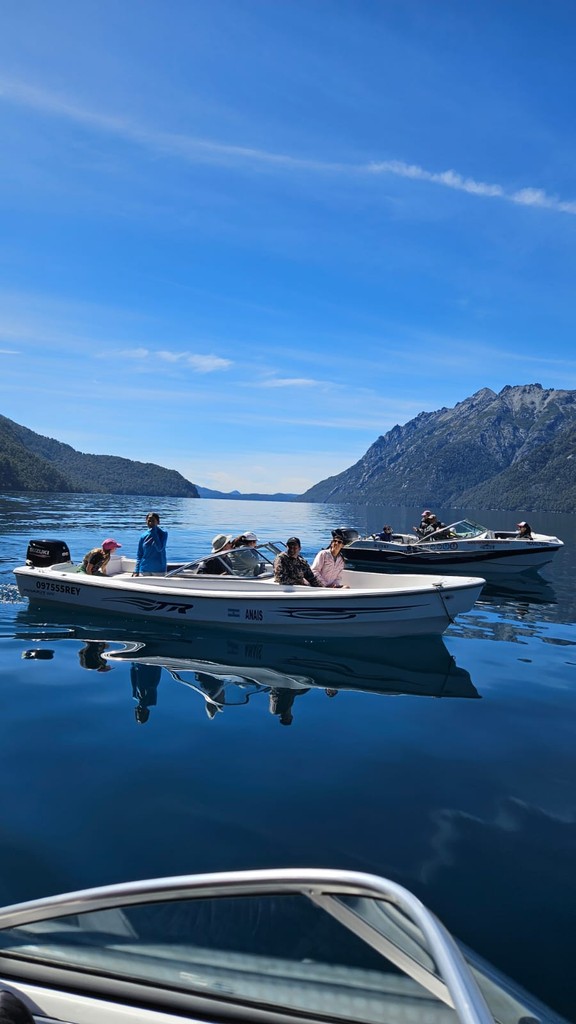
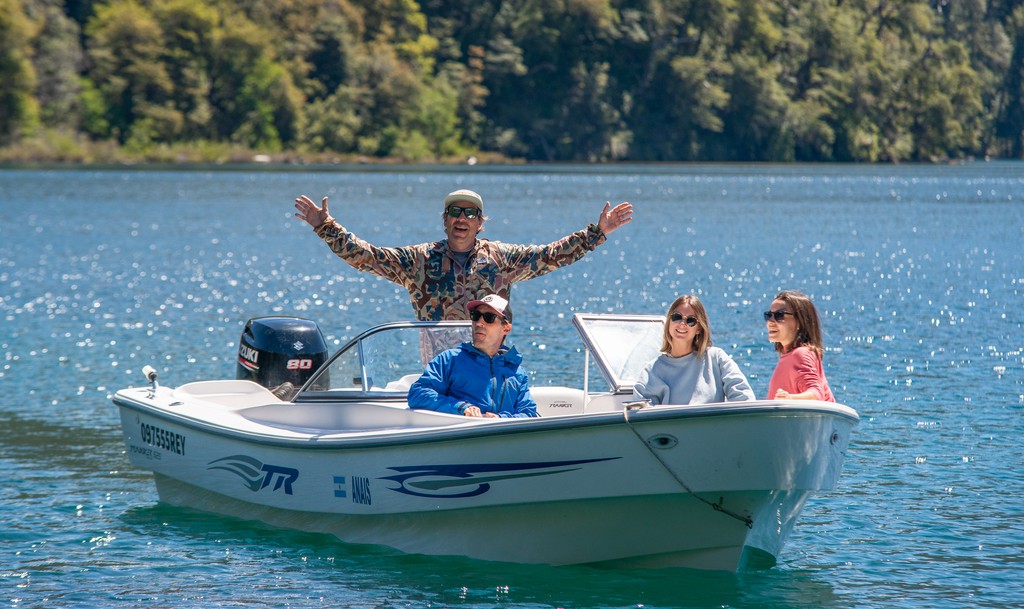
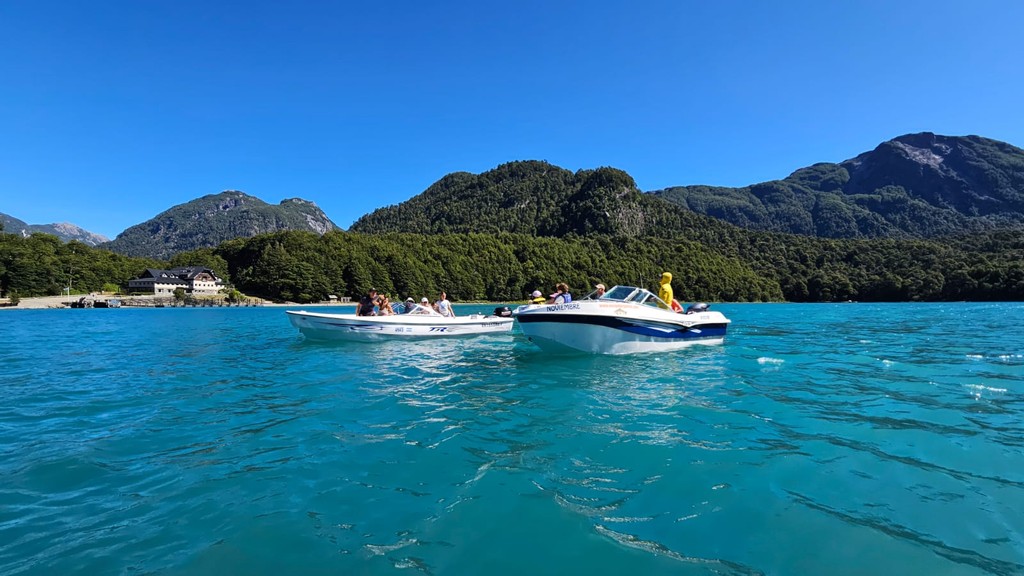
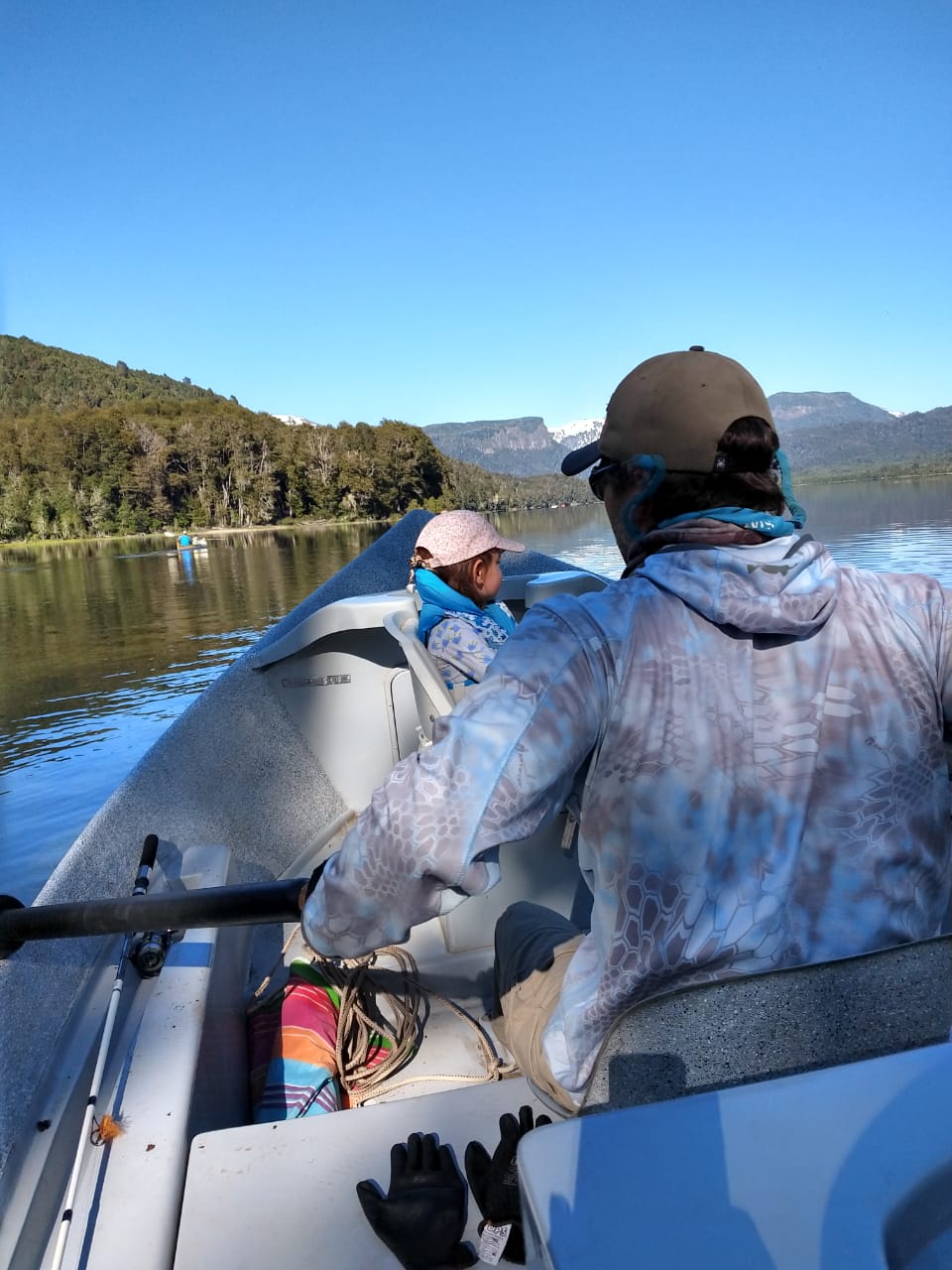
Aboard a motorized boat, gives us full access to every corner of this vast and diverse lake — from hidden coves and rocky drop-offs to river mouths and shallow bays.

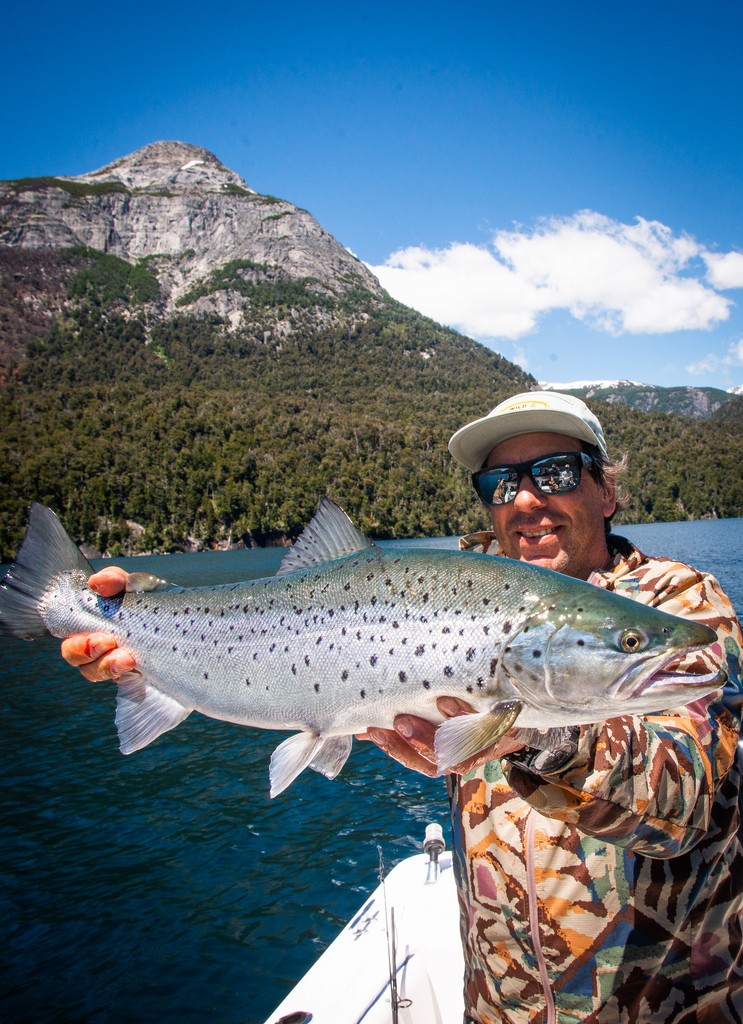
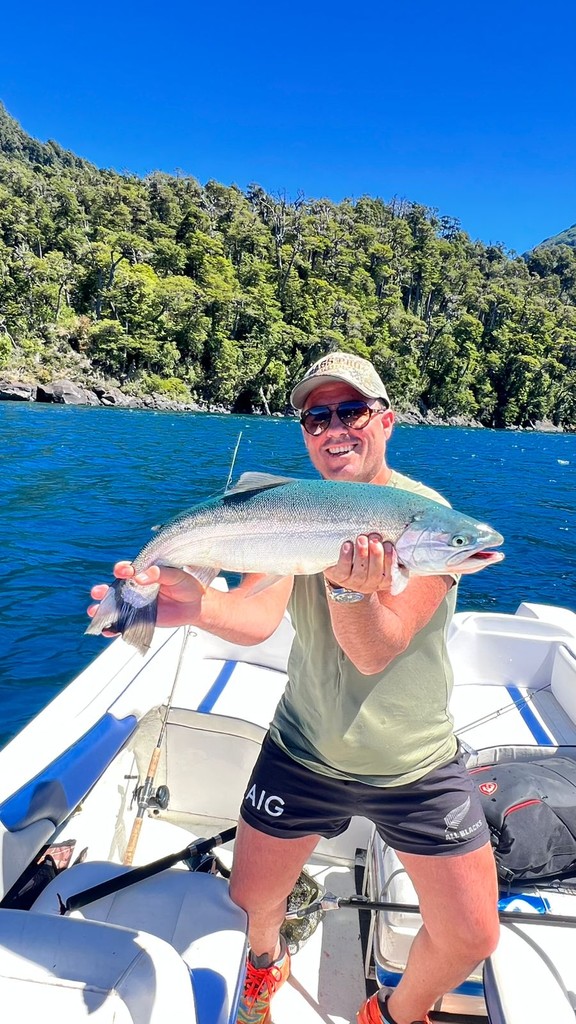
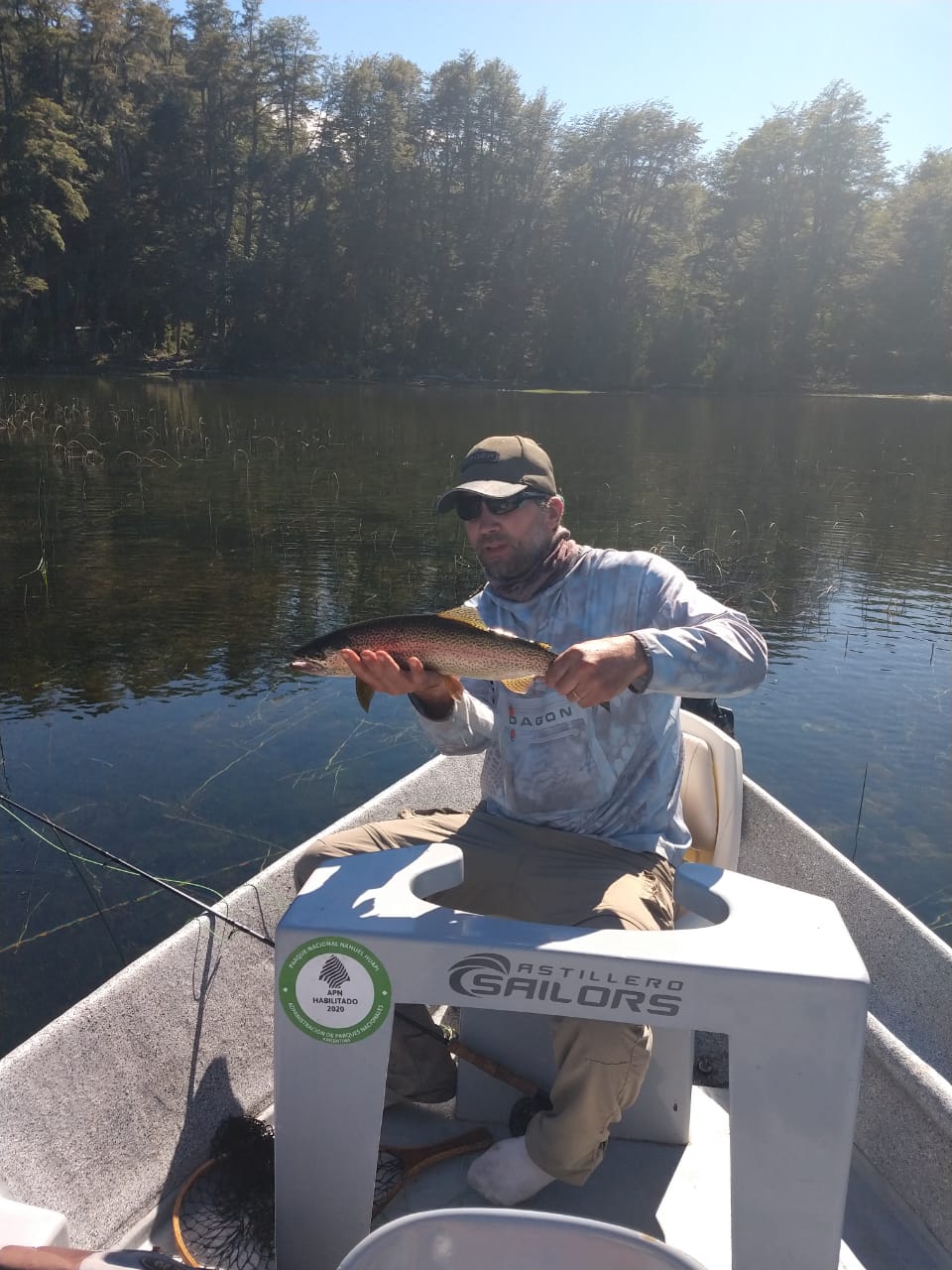
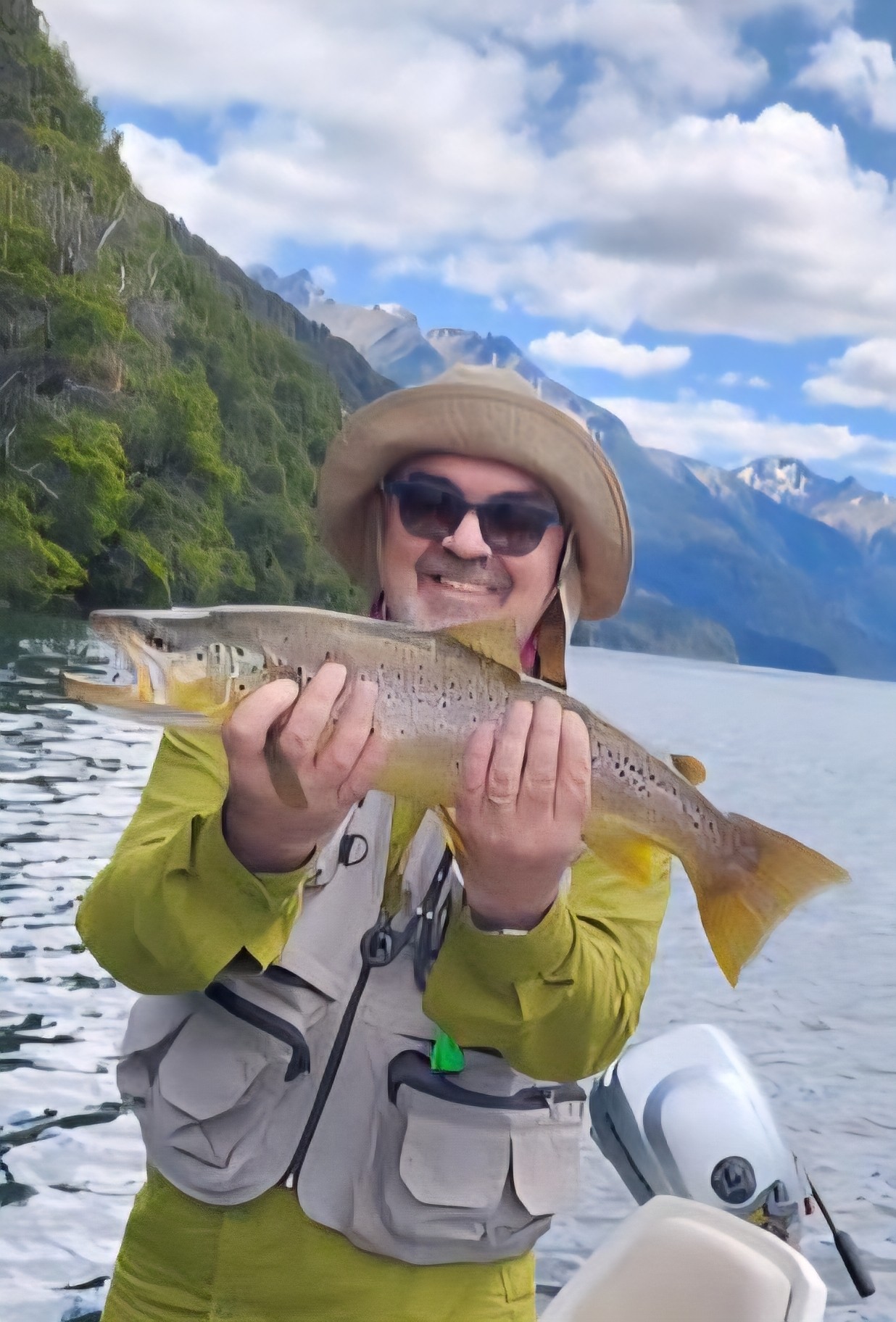
Home to several prized species, including brown trout (Salmo trutta) – often found near river mouths and rocky shorelines, rainbow trout (Oncorhynchus mykiss) – abundant, hard-fighting, and ideal for both fly and spin anglers, brook trout (Salvelinus fontinalis) – more elusive, often in cooler, shaded waters and landlocked salmon (Salmo salar sebago) – a unique challenge for anglers, especially in deeper parts of the lake.

Depending on the time of year, we can target specific species and adapt our techniques accordingly. Our motorized fishing boat is fully equipped for both comfort and functionality. With a stable platform, ample casting room, and all necessary safety gear, we can reach even the most remote parts of the lake — places shore anglers can only dream of.

This allows us to fish efficiently throughout the day and explore a wide range of productive fishing spots without long hikes or challenging terrain. It’s also ideal for families, older guests, or anyone who prefers a more relaxed approach to Patagonia’s world-class fishing.

Not into fishing? You can still join us for a relaxing scenic boat ride across the lake, complete with stunning views and an optional lakeside patagonic lunch experience. Perfect for non-anglers, families, or anyone looking to enjoy Patagonia’s beauty from the water.

Nahuel Huapi Lake

Nahuel Huapi Lake offers one of the most breathtaking and productive fishing experiences in South America. With its deep crystal-clear waters, dramatic mountain backdrops, and thriving populations of trout and salmonids, this glacial lake is a paradise for both fly fishing and spinning fishing enthusiasts.

Aboard a motorized boat, gives us full access to every corner of this vast and diverse lake — from hidden coves and rocky drop-offs to river mouths and shallow bays.

Home to several prized species, including brown trout (Salmo trutta) – often found near river mouths and rocky shorelines, rainbow trout (Oncorhynchus mykiss) – abundant, hard-fighting, and ideal for both fly and spin anglers, brook trout (Salvelinus fontinalis) – more elusive, often in cooler, shaded waters and landlocked salmon (Salmo salar sebago) – a unique challenge for anglers, especially in deeper parts of the lake.

Depending on the time of year, we can target specific species and adapt our techniques accordingly. Our motorized fishing boat is fully equipped for both comfort and functionality. With a stable platform, ample casting room, and all necessary safety gear, we can reach even the most remote parts of the lake — places shore anglers can only dream of.

This allows us to fish efficiently throughout the day and explore a wide range of productive fishing spots without long hikes or challenging terrain. It’s also ideal for families, older guests, or anyone who prefers a more relaxed approach to Patagonia’s world-class fishing.

Not into fishing? You can still join us for a relaxing scenic boat ride across the lake, complete with stunning views and an optional lakeside patagonic lunch experience. Perfect for non-anglers, families, or anyone looking to enjoy Patagonia’s beauty from the water.

Moreno Lake
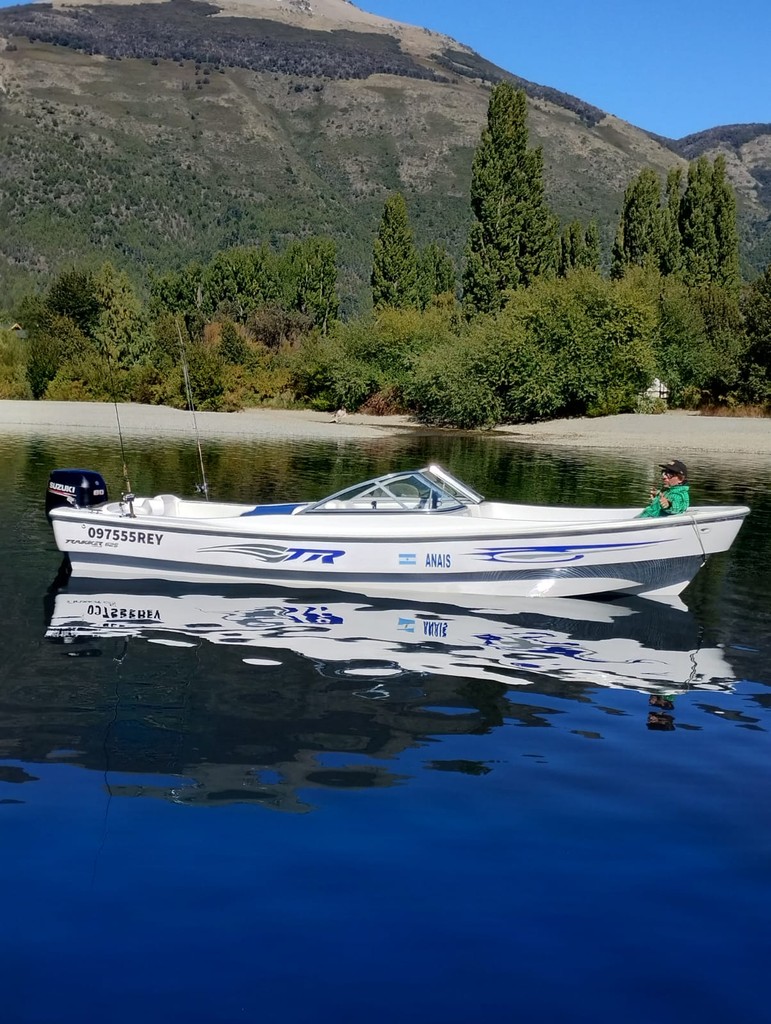
Just minutes from the heart of San Carlos de Bariloche, Moreno Lake is a hidden gem for both fly fishing and spinning fishing in Northern Patagonia. Surrounded by native forests, snow-capped peaks, and iconic views of Cerro López and Cerro Catedral, the lake offers a peaceful yet productive fishing experience with incredible scenery in every direction.

Aboard a comfortable motorized boat, gives us complete access to all areas of the lake — from its shallow bays and inlets to deeper channels and outlet points. Whether you’re an experienced angler or just beginning, Moreno Lake is a fantastic option close to the city yet far from the crowds.

Known for its healthy population of: rainbow trout (Oncorhynchus mykiss)  – aggressive and acrobatic, often found near the surface during warmer months, brown trout (Salmo trutta)– typically larger and more elusive, best targeted near structure or deeper areas and brook trout (Salvelinus fontinalis) – occasionally caught in cooler zones, especially early or late in the season.

Fly fishing is perfect for fishing along the shoreline, drop-offs, and river mouths. We use floating lines, streamers, and dry flies, adjusting to conditions and hatches. Early mornings and afternoons tend to produce the best surface action.

Spinning Fishing is ideal for covering more water and targeting deeper fish where lures like spoons, crankbaits, and soft plastics work well throughout the season. A great option for families, beginners, or those looking for a more relaxed approach.

Fishing on Moreno Lake by motorboat allows us to reach every part of the lake with ease, offering flexibility and comfort for anglers of all skill levels and ages. The boat is fully equipped with casting space, safety gear, and everything needed for a productive and enjoyable day on the water.

Not everyone wants to fish — and that’s okay! We also offer scenic boat rides across Moreno Lake with the option of a relaxing onboard or lakeside patagonic lunch, perfect for non-anglers, families, or anyone looking to enjoy Patagonia’s beauty from the water.

Moreno Lake
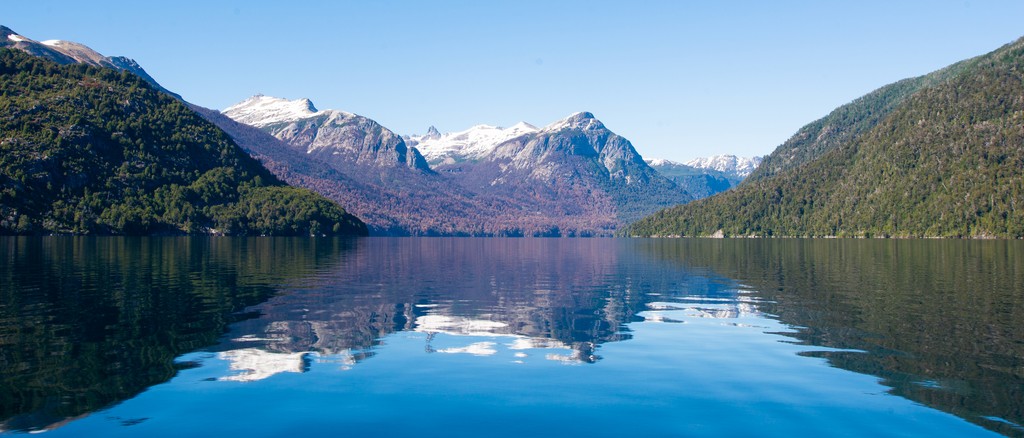
Just minutes from the heart of San Carlos de Bariloche, Moreno Lake is a hidden gem for both fly fishing and spinning fishing in Northern Patagonia. Surrounded by native forests, snow-capped peaks, and iconic views of Cerro López and Cerro Catedral, the lake offers a peaceful yet productive fishing experience with incredible scenery in every direction.

Aboard a comfortable motorized boat, gives us complete access to all areas of the lake — from its shallow bays and inlets to deeper channels and outlet points. Whether you’re an experienced angler or just beginning, Moreno Lake is a fantastic option close to the city yet far from the crowds.

Known for its healthy population of: rainbow trout (Oncorhynchus mykiss)  – aggressive and acrobatic, often found near the surface during warmer months, brown trout (Salmo trutta)– typically larger and more elusive, best targeted near structure or deeper areas and brook trout (Salvelinus fontinalis) – occasionally caught in cooler zones, especially early or late in the season.

Fly fishing is perfect for fishing along the shoreline, drop-offs, and river mouths. We use floating lines, streamers, and dry flies, adjusting to conditions and hatches. Early mornings and afternoons tend to produce the best surface action.

Spinning Fishing is ideal for covering more water and targeting deeper fish where lures like spoons, crankbaits, and soft plastics work well throughout the season. A great option for families, beginners, or those looking for a more relaxed approach.

Fishing on Moreno Lake by motorboat allows us to reach every part of the lake with ease, offering flexibility and comfort for anglers of all skill levels and ages. The boat is fully equipped with casting space, safety gear, and everything needed for a productive and enjoyable day on the water.

Not everyone wants to fish — and that’s okay! We also offer scenic boat rides across Moreno Lake with the option of a relaxing onboard or lakeside patagonic lunch, perfect for non-anglers, families, or anyone looking to enjoy Patagonia’s beauty from the water.

Roca Lake
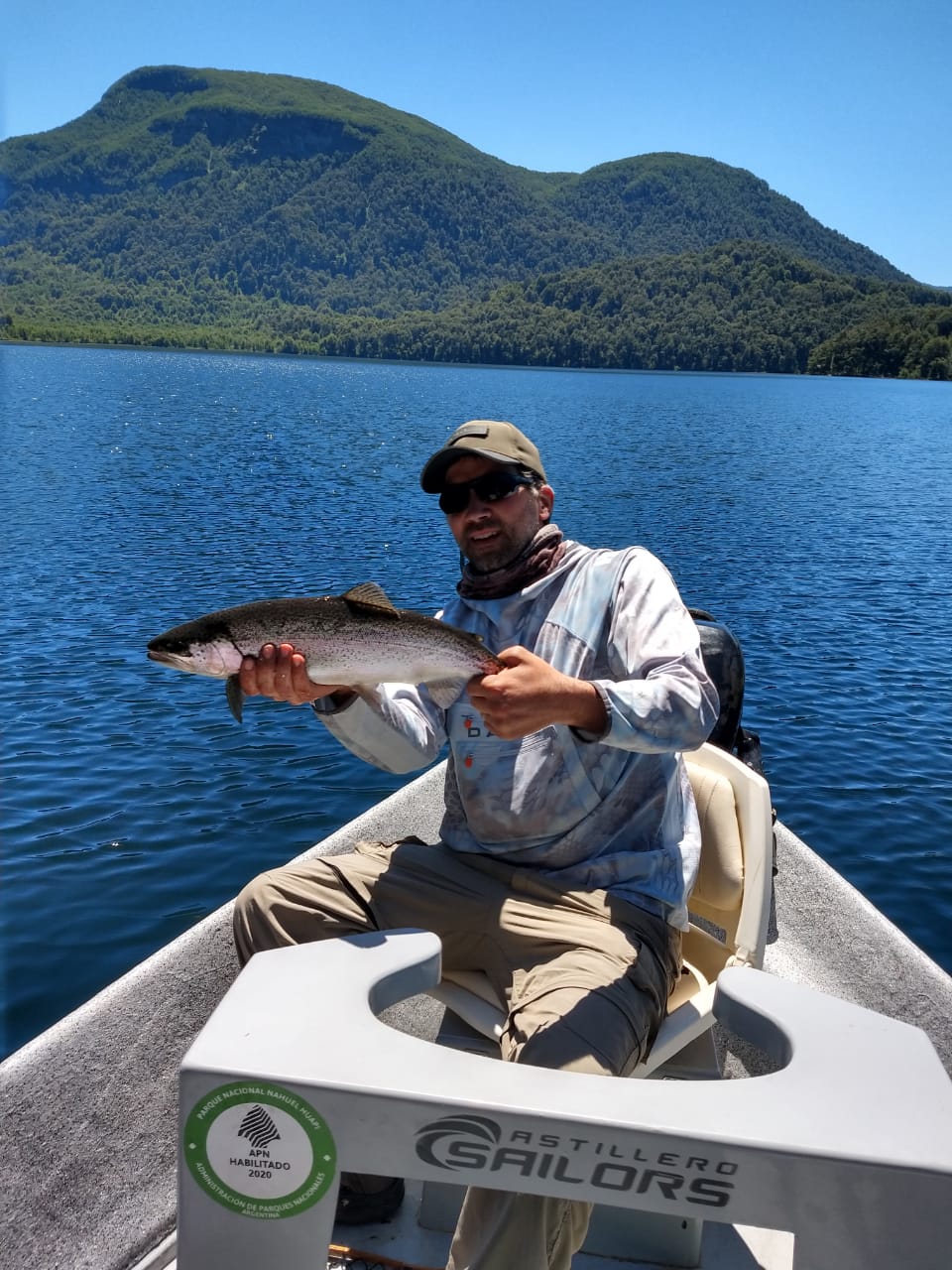
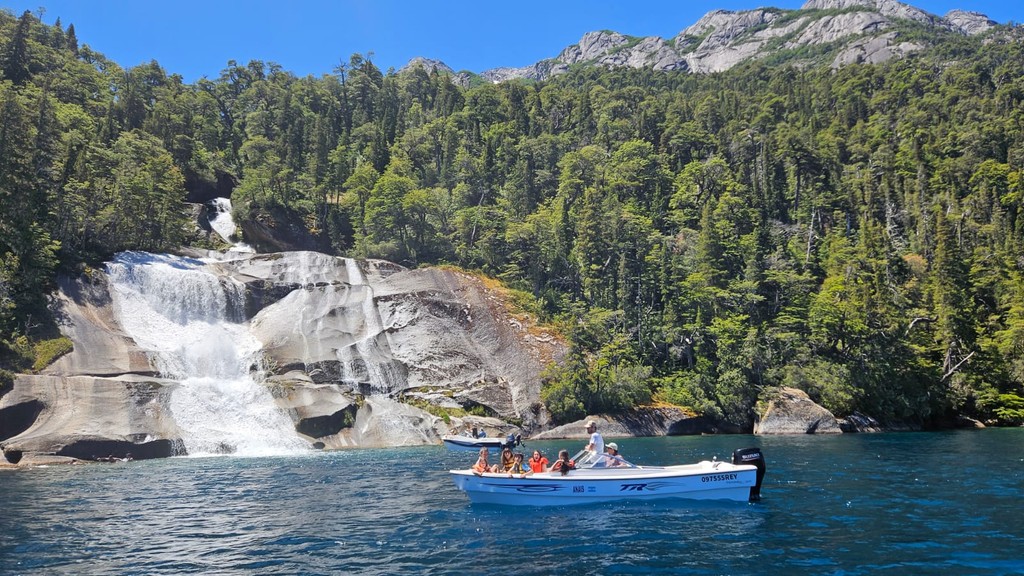
 Roca waters are, as Hess's, glaciar and it’s also situated in the Nahuel Huapi National Park. Being located away from Bariloche city (almost 90 km) offers amazing fishing conditions. It’s surrounded by the andean patagonian forest, with a dense population of Nothofagus trees, and navigating towards the West, flora density and variety increase substantially giving rise to the Valdivian forest. Really close to the lake we can visit one of the most popular attractions on the park, the Alerces waterfall, breathtaking.

Roca Lake

 Roca waters are, as Hess's, glaciar and it’s also situated in the Nahuel Huapi National Park. Being located away from Bariloche city (almost 90 km) offers amazing fishing conditions. It’s surrounded by the andean patagonian forest, with a dense population of Nothofagus trees, and navigating towards the West, flora density and variety increase substantially giving rise to the Valdivian forest. Really close to the lake we can visit one of the most popular attractions on the park, the Alerces waterfall, breathtaking.

Hess Lake
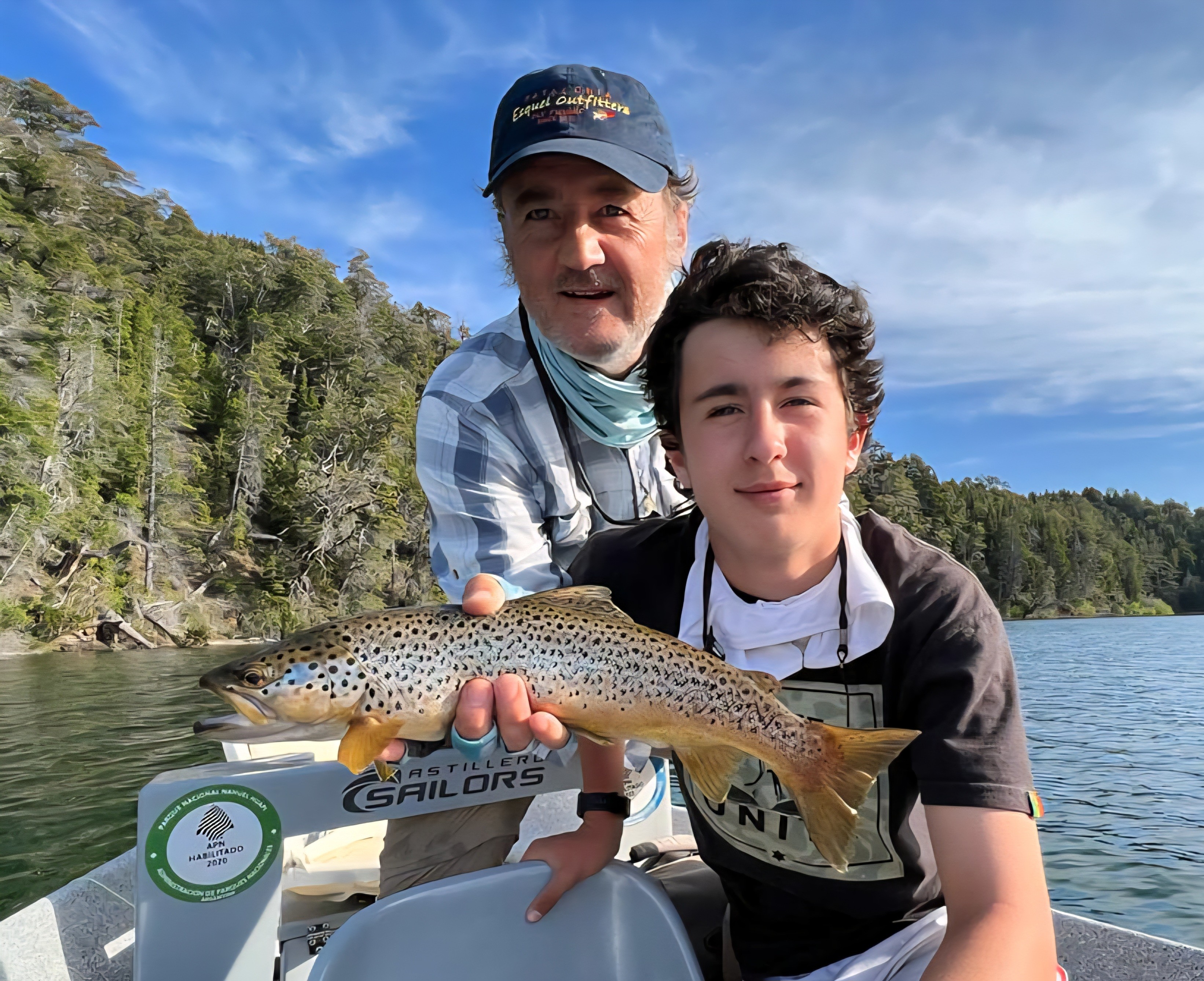
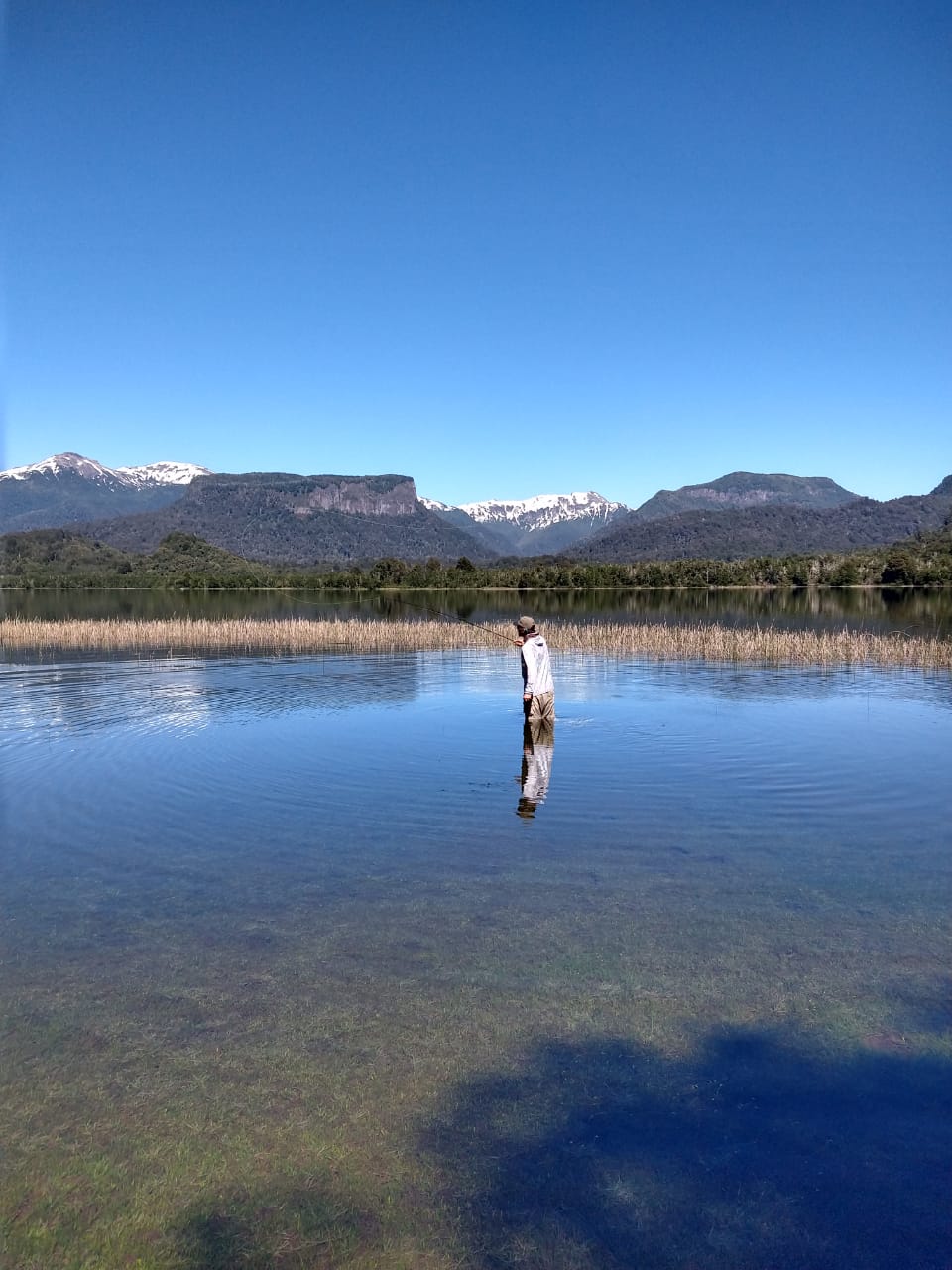
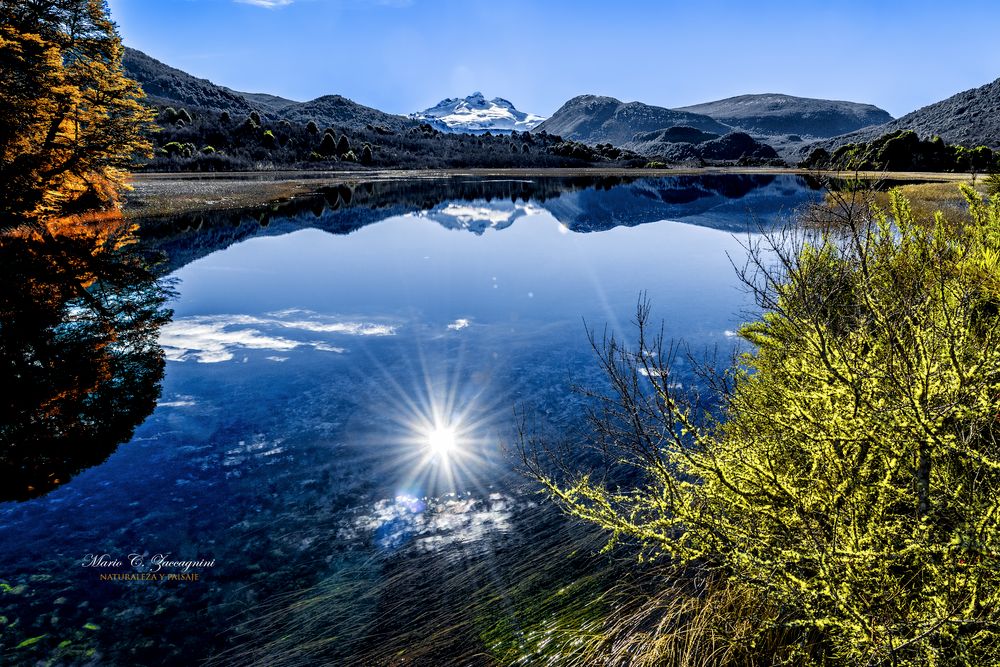
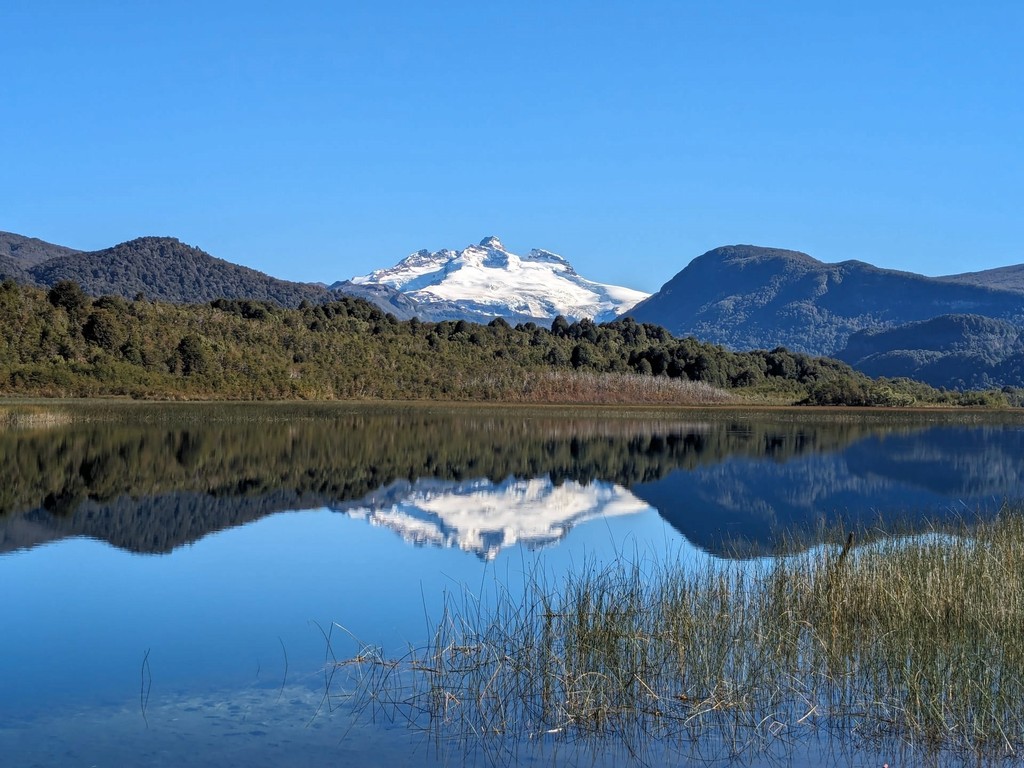
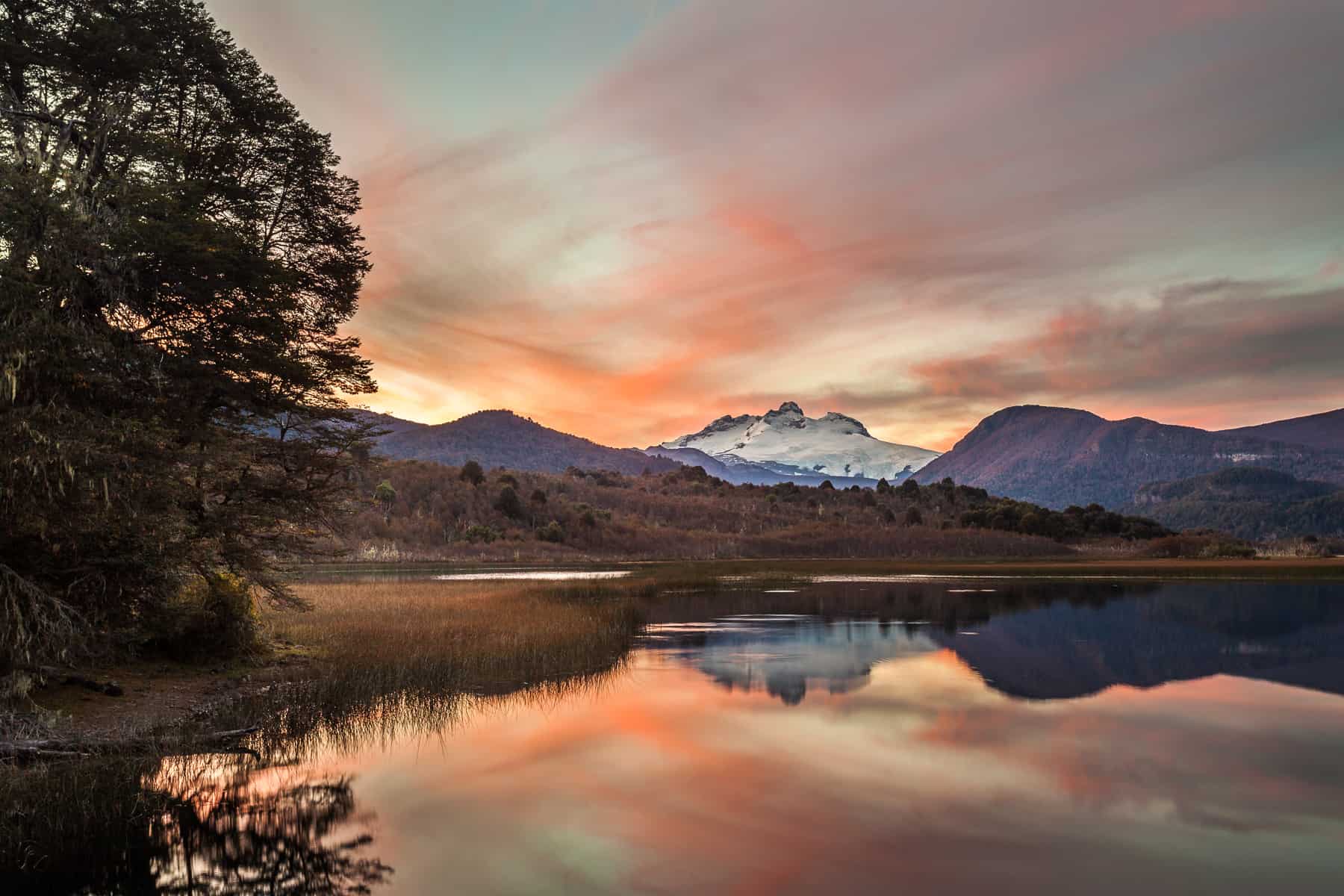
Nestled in the Manso basin, with a breathtaking view to the glaciers and the eternal snow summit of the impressive Mount Tronador, this lake is considered one of the best fishing spots by a huge amount of our clients. Its smooth and spacious coasts, generally covered by reeds are surrounded by a dense andean patagonian forest. Located inside the Nahuel Huapi National Park it has an excellent state of conservation.

Hess Lake

Nestled in the Manso basin, with a breathtaking view to the glaciers and the eternal snow summit of the impressive Mount Tronador, this lake is considered one of the best fishing spots by a huge amount of our clients. Its smooth and spacious coasts, generally covered by reeds are surrounded by a dense andean patagonian forest. Located inside the Nahuel Huapi National Park it has an excellent state of conservation.

Fonck Lake
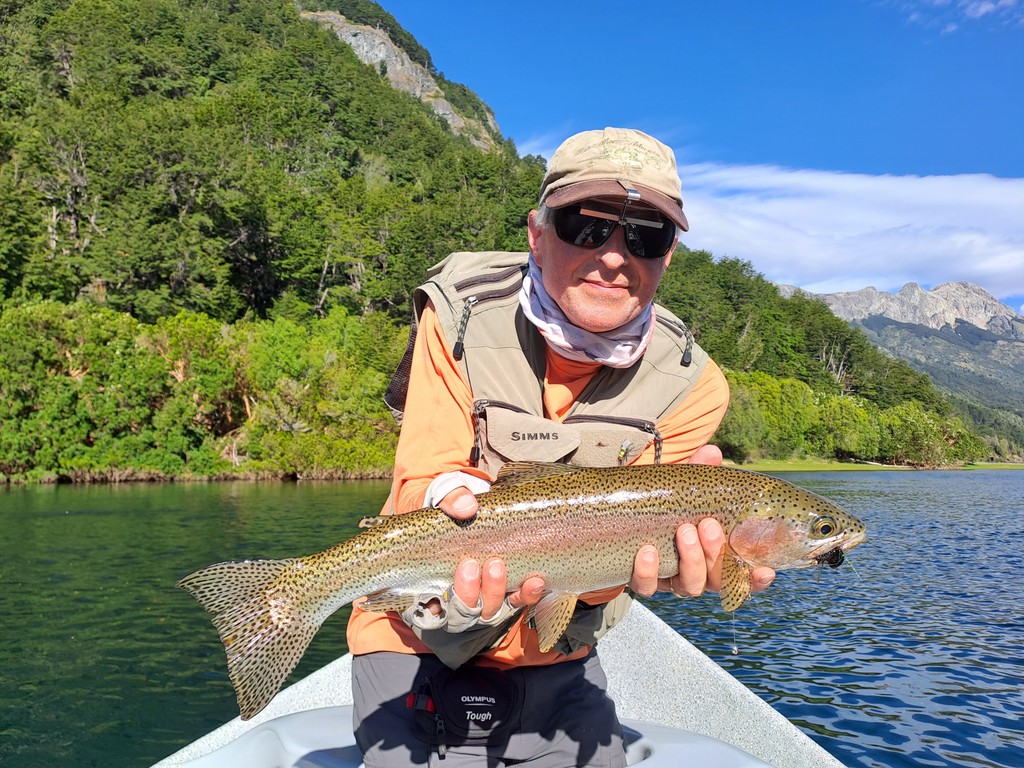
 Just like the last two lakes recently described, the view of Mount Tronador is magnificent. Accessing the lake requires a 4x4 vehicle, so it’s only visited by fishermen and mountaineers. This condition turns it into an interesting place to seek for wild trouts.
Fonck Lake

 Just like the last two lakes recently described, the view of Mount Tronador is magnificent. Accessing the lake requires a 4x4 vehicle, so it’s only visited by fishermen and mountaineers. This condition turns it into an interesting place to seek for wild trouts.
Contact us

Let's plan your perfect outing.

Contact us

Let's plan your perfect outing.

Contact us

Let's plan your perfect outing.

PATAGONIA FISHING

REGION

Contact

Iván Jarak - Guide

Tomás Fentini - Guide

PATAGONIA FISHING

REGION

Contact

Iván Jarak - Guide

Tomás Fentini - Guide